

After years of traveling through cold places, I’ve stopped trying to reinvent winter packing.
Not because I don’t like variety, but because winter is oddly honest. If something doesn’t work, you find out immediately. Cold has a way of cutting through wishful thinking, fashion optimism, and gear that only works in theory.
No matter where I’m going in winter, the same core items end up in my bag. Cities, polar regions, snowy towns, windy ports. The setting changes, but the fundamentals don’t.
If you’ve ever searched ‘how to dress for cold weather’, and felt overwhelmed by conflicting advice, this list is meant to simplify things. These are not destination-specific outfits. They are tools. And they are the five winter travel items I rely on everywhere, plus one bonus item most people don’t think about until it’s too late.
1. Base Layers: The Quiet Foundation That Makes Everything Else Work
Base layers are not exciting. They don’t photograph well. No one compliments them.
And yet, they are doing most of the work.
I always travel with proper base layers, both tops and bottoms. Thin, insulating, and designed to sit close to the body. When people ask how to dress for cold weather, they often jump straight to coats, but warmth really starts underneath everything else.
What I’ve noticed over time is that good base layers change how the entire outfit behaves. Without them, you end up piling on bulky clothing that still somehow lets cold sneak in. With them, even lighter outer layers perform better.
I prefer base layers that feel like clothing, not gear. If they itch, bunch, or feel restrictive, you won’t want to keep them on all day. Which defeats the point. The whole point is that you can wear them from morning to night without thinking about them.
Merino wool often comes up in these conversations, and it’s usually for good reason. It regulates temperature well and handles long days without feeling gross. That said, synthetics can also work well depending on your preferences and sensitivity.
What matters most is that your base layer keeps you warm without overheating you once you step indoors. That balance appears subtle, but it’s likely the difference between feeling comfortable and feeling constantly irritated.
2. Fleece-Lined Jeans: Normal Clothes That Secretly Do More
Fleece-lined jeans are one of those items that feel like a cheat code once you discover them.
They look like regular jeans. They behave like regular jeans. But they insulate in a way standard denim simply doesn’t.
I reach for fleece-lined jeans when I want to look like myself while still being warm. Walking around cities. Sitting outside at cafés. Exploring without feeling like I’m wearing winter gear everywhere I go.
For people trying to figure out how to dress for cold weather without sacrificing normal outfits, this is often the missing piece. Regular jeans offer almost no protection against the cold. Add wind or damp conditions, and they become actively unpleasant. Denim, quite frankly, is useless in the cold.
Fleece-lined versions add warmth without bulk. You don’t need to layer leggings underneath. You don’t need to constantly adjust. You just put them on and go.
Are they the warmest option available? No. But they are one of the most versatile. And versatility matters when you’re packing for a trip where you want to feel like yourself, not like you’re dressed for an expedition every day.

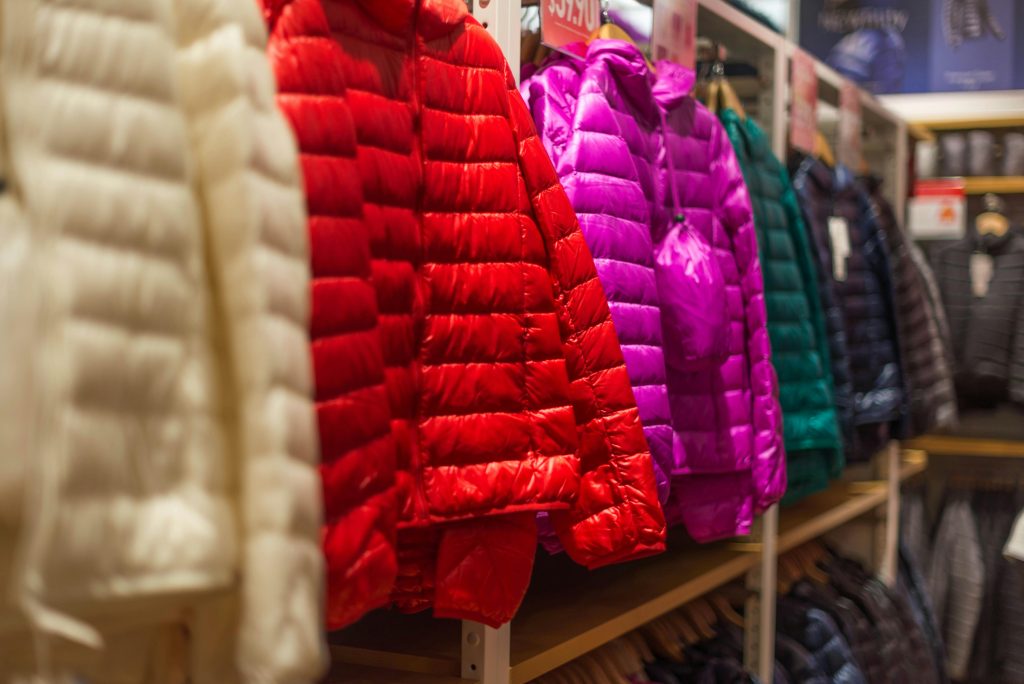
3. A Puffy Coat That Traps Heat Without Taking Over Your Life
The puffy coat is a winter staple for a reason. It works.
I always travel with a puffy coat because it offers reliable warmth without requiring too much effort. You put it on, and it does its job.
What I look for is insulation that feels substantial but not overwhelming. A coat that keeps heat in, blocks wind reasonably well, and still allows movement. Something that works whether I’m walking for hours or standing still waiting for transportation.
This is where people sometimes go too far. Heavier fill weight does not always mean better. If a coat keeps you too warm, it’s likely you won’t like wearing it. Which means you’ll avoid it when you actually need it.
A good puffy coat fits into a layering system. On milder days, it may be enough on its own. On colder or windier days, it can pair with a shell or additional base layers.
If you’re learning how to dress for cold weather across different environments, adaptability matters more than extreme warmth. The goal is to stay comfortable, not immobilized.
4. Wool Socks: The Difference Between Enduring and Enjoying the Day
Cold feet change your mood.
I don’t think that gets talked about enough.
Wool socks are non-negotiable for me in winter travel. Not thin fashion socks. Actual wool socks that insulate, cushion, and manage moisture.
Feet tend to get cold faster than expected, especially when you’re walking on snow, ice, or cold pavement. Once they’re cold, it’s hard to recover.
Wool works because it stays warm even when damp and regulates temperature better than most synthetic materials. It also reduces friction, which matters if you’re walking all day.
I usually pack multiple pairs because socks are not something you want to skimp on. They take up little space and make a disproportionate difference in comfort.
If you’re researching how to dress for cold weather and skipping socks because they seem obvious, I would gently suggest reconsidering. They’re not glamorous, but they are essential.
5. Waterproof Shell Pants: The Layer People Forget Until They Need It
Waterproof shell pants are not something most people think to pack. Until they are standing in snow, sleet, or freezing rain, wishing they had.
I don’t wear them all the time, and I definitely don’t pack them for every trip, but I always consider them. If I’m traveling to a polar region, I guarantee you they’re essential.
Shell pants go over whatever you’re already wearing and create a barrier against wind and moisture. They are especially useful in conditions where cold is paired with wetness. Like when you’re taking a zodiac cruise in Antarctica.
Snow brushing against your legs. Wind cutting through denim. Sitting on cold surfaces. Shell pants quietly solve all of that.
They also offer flexibility. You can put them on when conditions demand it and take them off when they don’t. They don’t replace base layers. Instead, they support them.
When people talk about how to dress for cold weather, this layer is often missing from the conversation. And yet, it’s one of the most practical items you can carry.
Bonus Item: Glacier Glasses. Surprisingly More Relevant Than They Sound
Glacier glasses sound dramatic. And yes, they are associated with extreme environments.
But here’s the thing. Snow reflects light aggressively. Ice does too. Even on overcast days, the brightness can be intense.
Glacier glasses provide extra coverage and reduce glare in a way standard sunglasses don’t. They protect your eyes from strain and long-term damage, especially in snowy or icy conditions.
I didn’t always travel with them. Now I do when visiting snowy destinations.
They’ve proven useful in places that aren’t traditionally labeled as extreme. Bright winter days. Long exposure. Reflective surfaces everywhere. Heck, I even wear them in the summer while riding at the beach.
This is one of those items that feels unnecessary until you experience how much more comfortable your eyes feel with proper protection.
Why These Items Work Together
What ties all of these pieces together is balance.
Base layers regulate temperature. Fleece-lined jeans offer warmth without sacrificing normalcy. Puffy coats trap heat. Wool socks protect your feet. Shell pants block wind and moisture. Glacier glasses protect your eyes.
Each item plays a specific role. None of them is trying to do everything.
If you’re trying to figure out how to dress for cold weather while traveling, this approach may simplify things. Instead of chasing one perfect coat or overpacking bulky items, you build a system.
It doesn’t have to be perfect. It just has to work.
And after enough cold mornings, icy sidewalks, and long winter days, these are the items that have earned their place in my bag.
Every time.
How to dress for cold weather is an art. Watch this video for additional insights on the 5 winter travel items I’ve found to be so versatile, I dare say they work everywhere.


0 Comments